
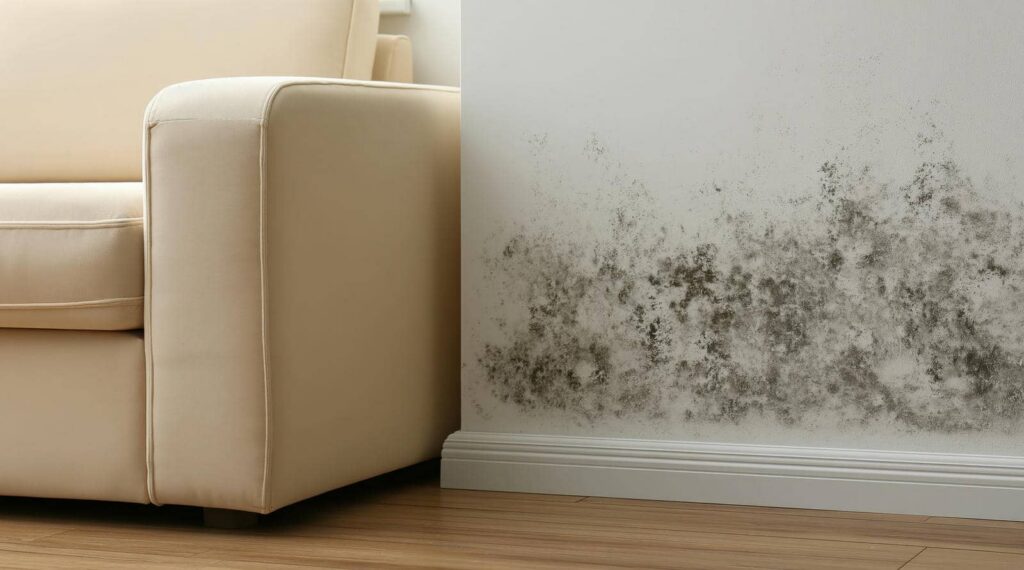
You may not realize that water damage isn’t just about what you can see on the floor. When you need water extraction, you’re removing standing water with pumps and vacuums to reduce structural damage and limit microbial growth. Mold inspection then checks for hidden moisture and early mold in walls, floors, and other materials. What happens next can determine whether you’re facing a minor cleanup or a much larger problem.
Key Takeaways
- Water extraction removes standing water and hidden moisture after leaks, spills, or floods to prevent further damage.
- Mold inspection checks affected areas for lingering moisture, visible mold, and conditions that support mold growth.
- Professionals use pumps, vacuums, air movers, dehumidifiers, and moisture readings to dry materials thoroughly.
- Early action includes stopping the water source, moving dry items, documenting damage, and contacting restoration and insurance providers.
- Prevention involves regular inspections, humidity control below 60%, and proper drainage around the home.
What To Do After Water Damage
After water damage, you should act quickly to stop further absorption and limit mold growth. Shut off the water source if you can, then protect the area and your household.
Move dry items to a clean, ventilated space, and remove soaked materials that can’t be salvaged. Document every affected room, surface, and item with photos and notes for insurance claims.
Contact your insurer and a qualified restoration team to begin flood recovery without delay. Keep indoor humidity low by opening safe ventilation paths and using dehumidification if available.
Don’t disturb contaminated water or hidden materials, because that can spread damage. Stay organized, follow each step methodically, and you’ll support a faster, safer return to normal.
Signs You Need Water Extraction
You need water extraction when you see visible pooling on floors, in walls, or around fixtures, because standing water can spread quickly through porous materials.
You should also watch for damp odors and staining, since these signs often indicate hidden moisture that’s already affecting the structure.
When you detect either condition, prompt extraction helps limit damage and reduces the risk of mold growth.
Visible Water Pooling
Visible water pooling is one of the clearest signs that you need water extraction, because standing water can quickly seep into flooring, subfloors, drywall, and insulation.
You should identify the water sources immediately, whether they come from supply lines, appliances, roof intrusion, or groundwater.
Then trace the pooling causes, such as broken seals, clogged drains, failed pumps, or poor grading around the structure.
If you leave the water in place, it can migrate through porous materials and spread beyond the visible area.
You’re not dealing with a minor nuisance; you’re facing active moisture intrusion that needs prompt removal.
Acting fast helps protect your space, supports the integrity of your home, and keeps you aligned with others who value a dry, healthy environment.
Damp Odors And Stains
Damp odors and stains often indicate hidden moisture that’s already penetrating building materials, even when you don’t see standing water. You’ll notice musty smells when water lingers in damp environments, feeding microbial growth behind walls, under flooring, or in insulation.
If you belong to a community of homeowners who value fast action, treat these signals seriously.
- Brown or yellow stains on ceilings, baseboards, or drywall
- Persistent damp smells after ventilation
- Soft, swollen, or discolored surfaces
- Stains that expand after cleaning or drying
These clues suggest moisture intrusion that needs extraction, drying, and inspection. Acting early helps you protect your space, limit structural damage, and keep your home safer and more comfortable for everyone inside.
How Water Extraction Works
You first remove standing water with pumps, vacuums, and extraction tools that pull moisture from floors, carpets, and structural materials.
Next, you target hidden moisture by lifting saturated materials and accessing cavities where water can linger.
Then you use air movers and dehumidifiers to speed evaporation and lower indoor humidity so you can fully dry the affected area.
Water Removal Process
Water extraction starts by locating all standing water and saturated materials, then deploying pumps or truck-mounted vacuums to remove liquid as quickly as possible.
You’ll see trained technicians map the affected area, isolate hazards, and select extraction techniques based on surface type and water damage severity. This focused process helps your property stay controlled while crews work efficiently and with care.
- Measure depth and spread.
- Remove bulk water from floors and cavities.
- Agitate carpet and padding to lift hidden moisture.
- Verify complete removal with moisture readings.
You’re not left guessing; each step follows a documented sequence that supports accurate assessment and protects your space.
Drying And Dehumidifying
After bulk water is removed, technicians begin controlled drying and dehumidification to pull residual moisture from materials, air, and concealed cavities.
You’ll see air movers placed to create targeted airflow, while dehumidifiers lower relative humidity and speed evaporation from walls, floors, and framing.
Technicians adjust dehumidifier settings based on temperature, moisture readings, and material type, so you get efficient, measurable progress.
They may use focused drying techniques, such as injecting warm, dry air into wall voids or lifting carpeting to dry the subfloor.
Each step helps prevent hidden dampness that can support mold growth.
You stay informed through daily monitoring, because technicians track moisture content until surfaces return to safe drying goals and the structure’s environment stabilizes.
Why Mold Inspection Should Follow Water Extraction
Once extraction lowers the visible moisture load, a mold inspection should confirm whether water still remains in hidden materials, cavities, or porous building components.
You protect your property best when you verify conditions before mold growth starts spreading or reactivating. Inspection techniques give you a disciplined way to document risk, compare affected areas, and decide whether extra remediation is needed.
- You can check moisture-sensitive surfaces for lingering dampness.
- You can evaluate assemblies that trap water after extraction.
- You can prioritize rooms with prolonged exposure or repeated flooding.
- You can align drying records with post-extraction findings.
This step helps you stay in control, reduce uncertainty, and support a safer indoor environment for your household or team.
How Mold Inspection Finds Hidden Growth
Even when surfaces look dry, a mold inspection can expose hidden growth by tracing moisture patterns, checking behind finishes, and testing areas where water can remain trapped.
You get targeted mold detection by pairing visual inspection techniques with thermal imaging, hygrometers, and surface sampling. Inspectors compare environmental factors like humidity, temperature, and airflow to identify growth conditions that favor colonies behind drywall, under flooring, or inside cavities.
They also look for hidden sources such as leaks, condensation, and damp insulation. When readings suggest a risk, they use testing methods to confirm contamination and map affected zones.
That approach helps you stay informed, protect your shared space, and plan containment strategies before health risks spread through occupied rooms or HVAC pathways.
What Happens If Mold Is Found
If inspection confirms mold, you’ll need to treat the affected area as a moisture and contamination problem, not just a visible stain. You should document the location, extent, and material type before any disturbance, then follow a controlled mold remediation plan. This helps you and your team stay aligned and reduces health risks from spores and fragments.
Isolate the area to limit cross-contamination.
Remove damaged porous materials that can’t be cleaned.
Clean remaining surfaces with approved methods.
Verify conditions with a post-remediation inspection.
You’ll usually coordinate with qualified specialists who can measure moisture, assess hidden growth, and confirm that the affected zone is safe for re-occupancy.
Clear communication keeps everyone informed and supported through each step.
How to Prevent Future Water and Mold Damage
To prevent future water and mold damage, you need to control moisture at the source and verify that drying is complete after any leak, spill, or flood.
Inspect plumbing, roofs, gutters, and seals regularly, and repair failures quickly. Use dehumidifiers, exhaust fans, and proper ventilation to keep indoor humidity below 60%.
Maintain clear drainage around your foundation and grade soil away from the structure.
After water intrusion, remove wet materials, clean affected surfaces, and confirm hidden cavities are dry.
These preventive measures support reliable moisture control and reduce conditions that let mold colonize.
When you stay proactive, you protect your home, your health, and the community of people who depend on a safe indoor environment.
Frequently Asked Questions
How Quickly Should Water Extraction Begin After Flooding?
You should begin water extraction within minutes of flooding; your flood response should start immediately, because every hour worsens damage. Your extraction timeline should prioritize rapid pumping, drying, and containment to protect materials and reduce mold risk.
Can Insurance Cover Water Extraction and Mold Inspection Costs?
Yes, your insurance policies may cover water extraction and mold inspection costs, but coverage limits, exclusions, and cause of loss control payment. You’ll need prompt documentation, mitigation, and claim filing to protect your benefits.
How Long Does a Mold Inspection Usually Take?
You’ll usually spend 1–3 hours on a mold inspection. Inspectors use inspection techniques to assess mold growth, moisture sources, and hidden damage, and you’ll get clearer results when your home’s layout is simple.
Do I Need to Leave Home During Water Extraction?
Usually, you don’t need to leave home during the extraction process, but you should follow the crew’s guidance. They’ll assess home safety, isolate affected areas, and tell you if electrical hazards or contamination require temporary relocation.
Is DIY Water Removal Safe for Minor Leaks?
Yes, DIY water removal’s safe for minor leaks if you act fast. Think of water damage like a wick: you can stop it early, but dry all surfaces fully to prevent mold growth.
Review
After water damage, you can’t assume the threat is gone once the surface dries. You need extraction to remove standing water, then mold inspection to uncover what’s still hiding behind walls, under floors, or inside materials. If moisture remains, mold can begin fast, quietly spreading where you can’t see it. The real question is what the inspection will reveal next—and whether you’ve stopped the damage before it turns into a larger problem.