
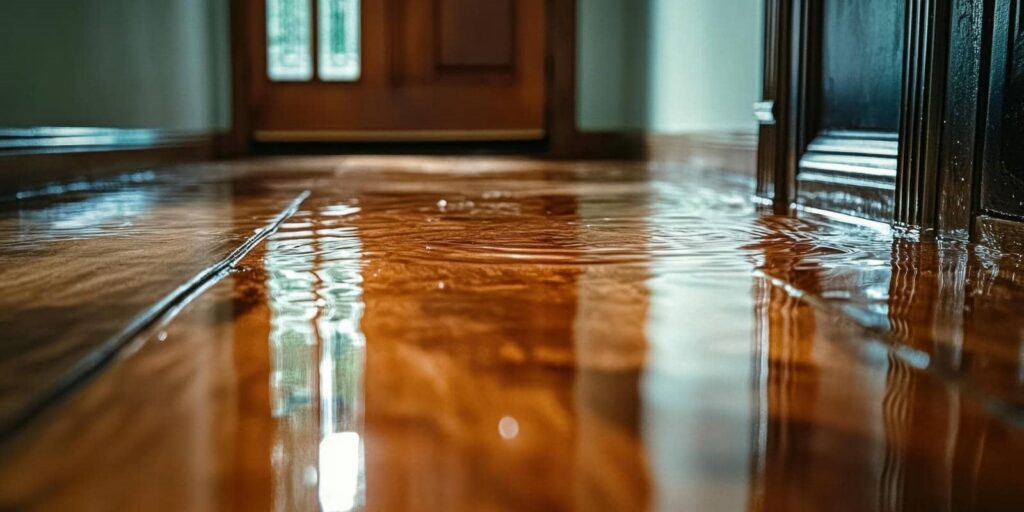
Flood cleanup can be overwhelming, but focusing on key strategies can make a difference. Start by prioritizing safety and evaluating hazards. Once you’ve taken precautions, swift action is vital for effective cleanup. You’ll need the right tools to tackle standing water and mold prevention. Understanding these essential steps can help restore your home and peace of mind, but there’s more to contemplate for a thorough recovery.
Key Takeaways
- Prioritize safety by assessing hazards from a distance and wearing protective gear during cleanup efforts.
- Remove standing water promptly using pumps or wet vacs to minimize damage and prevent mold growth.
- Increase airflow by opening windows and using fans or dehumidifiers to aid in drying affected areas.
- Document damage with photos for insurance claims, ensuring a thorough assessment of affected property.
- Communicate with neighbors and local authorities to share resources and support during the recovery process.
Assessing Damage: Common Causes and Safety Precautions
When evaluating damage after a flood, it’s vital to prioritize your safety before diving into cleanup efforts.
Start by appraising the situation from a safe distance. Identify potential hazards like downed power lines, contaminated water, or unstable structures. Wear protective gear, such as gloves and boots, to safeguard against injuries and infections.
During this damage evaluation, document the affected areas with photos for insurance claims and recovery assistance. Don’t rush; take your time to guarantee you’re not putting yourself at risk.
It’s critical to communicate with your neighbors and local authorities about safety measures and resources available. Remember, you’re not alone in this; support is out there for you as you start this challenging journey.
Next Steps for Cleanup Supplies After Assessing Damage
After evaluating the damage, it’s time to gather the supplies you’ll need for effective cleanup. Creating a supply inventory helps guarantee you have everything on hand to tackle the mess.
Here’s a list of essential cleanup equipment to take into account:
- Heavy-duty trash bags
- Mops and buckets
- Safety goggles and gloves
- Wet/dry vacuum
- Disinfectant cleaners
Collect these items before diving into the cleanup process. This way, you’ll feel more prepared and less overwhelmed.
Water Damage Cleanup: Drying Out Your Home and Preventing Mold
As you begin the water damage cleanup process, it’s crucial to dry out your home quickly to prevent mold growth. Start by removing standing water with pumps or wet vacs. Open windows and doors to increase airflow and employ fans or dehumidifiers to enhance drying techniques.
Focus on affected areas like carpets, walls, and furniture.
Keep in mind that mold can appear within 24-48 hours, so act fast! Inspect hidden spots, like under sinks and behind appliances, where moisture may linger. Regularly check for dampness and address any issues immediately.
By prioritizing mold prevention and using effective drying techniques, you’ll create a safer, healthier environment for you and your loved ones.
You’re not alone in this; we’re here to help.
To Sum Up
In flood cleanup, remember that “an ounce of prevention is worth a pound of cure.” By prioritizing safety, acting quickly to remove water, and addressing moisture issues, you’ll protect your home and health. Keep a close eye on potential hazards and stay vigilant against mold growth. Your swift actions now can save you from bigger problems later, ensuring a safer, healthier living environment for you and your loved ones. Stay proactive, and you’ll overcome this challenge.