
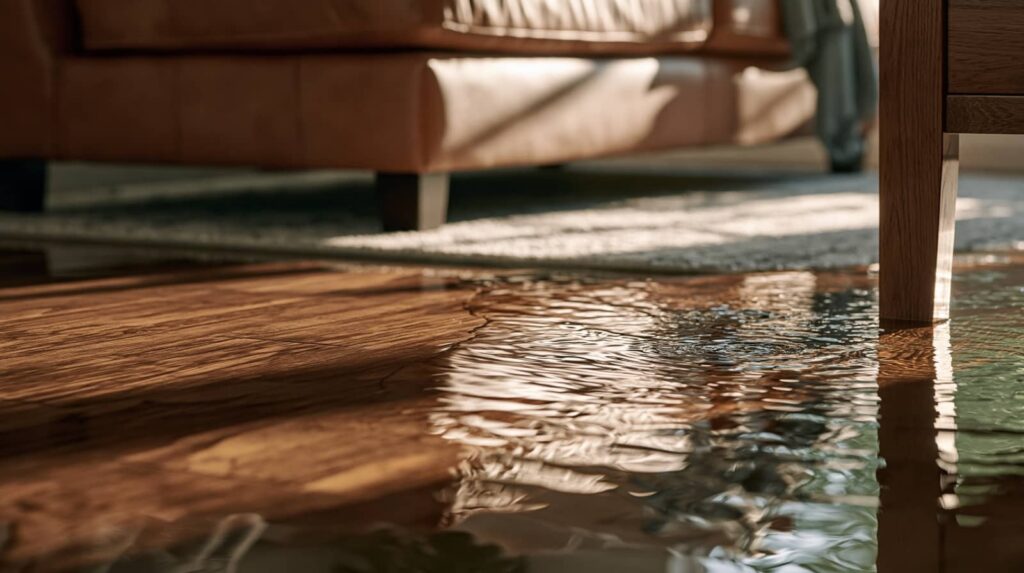
When stormwater hits your property, you need to act fast to limit structural damage and contamination. Storm Mitigation starts with cutting off the main water supply, then removing standing water and debris with the right extraction tools. After that, you’ll dry concealed moisture, control humidity, and watch for mold risks. Some situations need licensed restoration support, and knowing when to call professionals can make a significant difference in protecting your property.
Key Takeaways
- Shut off water and electricity immediately to prevent further damage and safety hazards.
- Call emergency restoration professionals to assess storm damage and begin mitigation.
- Remove standing water quickly using pumps, wet vacs, and cleared drainage paths.
- Dry affected areas with dehumidifiers, air movers, and opened wall or floor access points.
- Prevent mold by discarding unsalvageable materials and keeping indoor humidity below 60%.
How to Stop Water Damage Fast
When water starts entering your property, you need to act immediately to limit structural damage, mold growth, and electrical hazards.
Shut off the main water source if you can do so safely, then cut power to affected areas. Call a trusted emergency response team right away so they can assess the intrusion and begin water extraction with professional equipment.
You’ll protect your space faster when you document damage, move valuables above floor level, and keep people out of saturated rooms.
If stormwater reached wiring, outlets, or HVAC components, don’t touch them. Your best path is rapid coordination with trained specialists who understand moisture control, drying strategy, and containment.
Acting now helps you stay in control, protects your home, and keeps your crew strong together.
Remove Standing Water and Debris
Once the area is safe, you need to remove standing water and debris without delay to stop further saturation and secondary damage. You’ll protect your crew and the structure by moving fast and staying methodical. Use proven water removal techniques and debris cleanup methods to restore control and keep the site manageable.
- Pump or wet-vac pooled water first.
- Push contaminated debris into lined bags or bins.
- Clear blocked drains, channels, and entry paths.
- Recheck low spots and repeat extraction until surfaces stay stable.
Work from the perimeter inward so you don’t spread contamination. Keep records of what you removed, because that helps your team coordinate next steps and confirms the scope.
When you act together and stay disciplined, you’ll limit losses and regain a clean, safe workspace sooner.
Dry Walls, Floors, and Hidden Areas
Now that standing water is gone, you need to dry walls, floors, and hidden cavities before moisture settles deeper into the structure.
Start with a drywall inspection to check for swelling, soft spots, and trapped dampness behind trim or baseboards. Use air movers and dehumidifiers to pull moisture from framing, subfloors, and insulation.
Open access points where needed so you can reach enclosed spaces like wall voids, crawlspaces, and cabinet backs. You should also verify that moisture barriers under flooring and around vulnerable edges haven’t been compromised.
Keep airflow steady until readings confirm the structure’s drying progress. When you act quickly and methodically, you protect the space, support your team’s recovery effort, and move one step closer to a safe, resilient home.
Prevent Mold After Water Damage
To prevent mold after water damage, you need to control moisture fast, because mold can start growing within 24 to 48 hours in damp, poorly ventilated areas.
You can protect your space and your people with disciplined mold prevention strategies:
- Remove wet materials that can’t dry fully.
- Run fans and dehumidifiers to lower indoor moisture.
- Open airflow paths and keep rooms ventilated.
- Check concealed areas daily for lingering dampness.
Use humidity control tips like keeping indoor relative humidity below 60% and monitoring it with a hygrometer.
Wipe condensation from windows, pipes, and walls. Don’t stack damp items together, since trapped moisture feeds growth.
When you act quickly, you reduce risk, preserve materials, and keep your home healthier for everyone who belongs there.
When to Call Water Damage Restoration Pros
When should you call water damage restoration pros? Call them as soon as water enters walls, ceilings, or flooring, or when you smell musty odors, see swelling, or lose power to wet areas.
You’ll need emergency services if floodwater is contaminated, damage keeps spreading, or structural materials feel soft, sag, or crack. Fast action limits secondary losses, speeds drying, and protects your home’s indoor air.
A trained crew can extract water, map moisture, and document conditions for insurance claims, helping you stay organized and supported. If you’re dealing with a burst pipe, storm surge, or appliance failure, don’t wait for visible mold.
Bring in restoration pros to stabilize the space, reduce risk, and get your household back on track.
Frequently Asked Questions
What Storm Insurance Claims Should I File First?
File your most urgent storm insurance claims first: structural damage, roof leaks, then personal property losses. You should document each item, verify coverage types, and start the claim process immediately to protect your recovery.
How Do I Document Storm Damage for Adjusters?
Start like a detective: photograph every angle, date each image, and log measurements. You’ll build insurance documentation that supports damage assessment, helping adjusters see the full picture and trust your claim.
Which Items Are Safest to Salvage After Flooding?
You’ll salvage flood safe items first: sealed metal, glass, hard plastic, and nonporous appliances. Prioritize salvage priorities by checking contamination, structural integrity, and drying time. You’ll protect health, reduce losses, and stay organized.
How Can I Protect Outdoor HVAC Equipment During Storms?
Shield, secure, and service your outdoor HVAC units: use HVAC covers, elevated platforms, storm barriers, and regular maintenance. You’ll reduce wind-driven debris damage, keep your system safer, and stay prepared with confidence.
What Emergency Supplies Should I Keep for Future Storms?
Keep emergency kits with water, nonperishable food, flashlights, batteries, first aid, medications, chargers, blankets, and documents. You’ll strengthen storm preparedness, reduce risk, and stay connected with neighbors when outages, flooding, or debris disrupt services.
Conclusion
When a storm hits, you’ve got to act like every minute is a ticking flood bomb. Shut off the main water source, clear out standing water fast, and dry every wall, floor, and hidden cavity before moisture turns your home into a mold factory. Keep airflow strong and humidity below 60%. If you spot structural damage or contaminated water, don’t gamble—call water damage restoration pros immediately for a complete, documented recovery.